Lighting
Warm, neutral or cool: choosing colour temperature
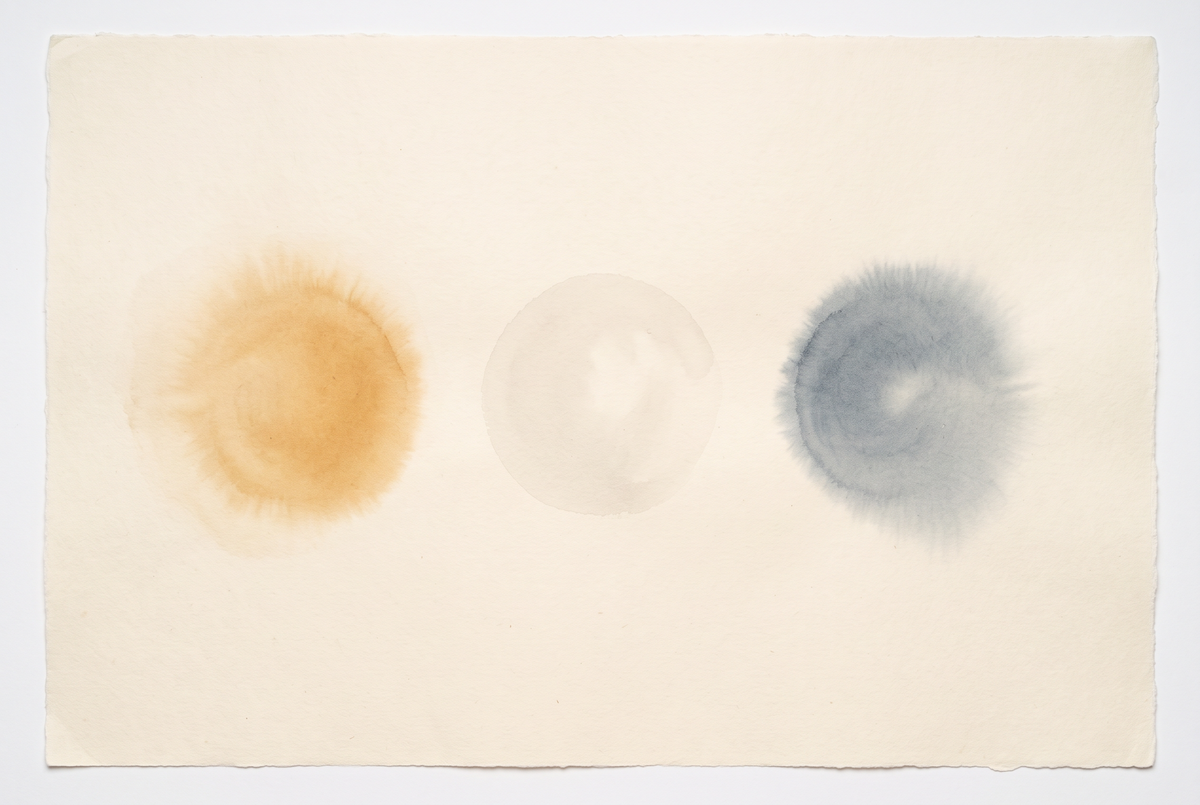
Colour temperature is measured in kelvin, and it is the single specification most likely to make a room feel wrong even when everything in it was chosen carefully. A beautiful fitting throwing 6000K light into a bedroom will feel like a waiting room. The same fitting at 3000K will not.
The confusing part is that the scale runs backwards from how we talk about it. Low kelvin numbers are warm and orange. High kelvin numbers are cool and blue. Here is what each band does in a real room.
2700K to 3000K, warm white
This is candlelight and old filament territory: yellow-toned, soft, forgiving. It flatters skin, it makes timber and brass look warmer than they are, and it tells the body that the day is ending.
Use it in bedrooms, living rooms, and anywhere you sit still in the evening. It is the wrong choice over a worktop, because it muddies the colour of food and makes it harder to see what you are chopping.
3500K to 4000K, neutral white
Neutral is the least dramatic and the most useful. Whites read as white, wood stays honest, and nothing takes on a cast. It is the right answer for hallways, landings, home offices and anywhere you need to see clearly without the room feeling clinical.
If you only get one choice and the space does more than one job, this is the safe one.
5000K and above, cool white
Cool light is alerting. It has its place in a garage, a utility room, or a task lamp over detailed work. In a living space it reads as harsh, and it makes warm materials such as oak, brass and travertine look grey and cheap.
Our own view is that above 5000K has almost no place in a room you relax in.
Why we favour tricolour fittings
A fitting with a fixed colour temperature commits you at the point of purchase to a decision that depends on the wall colour, the flooring, the time of year and what the room ends up being used for. Most people do not know all of that before they buy.
Several fittings across our lighting range are tricolour, meaning the temperature is switched on the fitting itself:
- The Stockholm runs two independent bars, so you can set one warm for reading and the other neutral for the wash. That is a genuinely useful trick in a bedroom that doubles as a workspace.
- The Bergamo is lit from the inner edge of the ring and carries the full warm to cool range, so the same fitting suits a hallway at nine and a bedside at eleven.
- The Verona ships with a tricolour E14 bulb, so the temperature is changed at the bulb rather than the fitting.
Mixing temperatures in one room
You can, and in most rooms you should not. Two fittings a metre apart at different temperatures read as a mistake rather than a choice, because the eye compares them directly.
Where mixing works is when the light sources do different jobs at different distances. A warm reading light beside a chair and a neutral wash on the far wall will look deliberate. The same two side by side over one console will not.
The rule we use: match the temperature of anything you can see at the same time.
What about dimming
Dimming and colour temperature are separate controls, and a dimmable fitting does not necessarily get warmer as it dims. Filament bulbs did that naturally, which is why people expect it. Most LED fittings simply get darker at the same temperature, which can feel flat.
If the warm-as-it-dims effect matters to you, you need a fitting or bulb that specifically states it, and it is worth asking before you buy rather than assuming. If a listing on this site does not state it, it is because we have not confirmed it, not because we are being coy. Email info@haloyard.com and we will check with the manufacturer.
Quick reference
- Bedroom, living room, evening spaces: 2700K to 3000K
- Hallway, landing, office, bathroom: 3500K to 4000K
- Utility, garage, detailed task work: 5000K and above
- Undecided, or the room does several jobs: a tricolour fitting, set to neutral and adjusted later
If the fitting is going on a wall rather than a table, the height matters as much as the temperature. We cover that in How high to hang bedside wall lights.
The pieces in this guide
Everything named above, with the price on it. Free UK delivery, thirty days to change your mind, and the delivery window stated before you pay.


